Menu

Call Us Today!
385-355-3822We Are Family & Veteran Owned
Schedule Service NowHire Local Trusted Electricians Now
Call this Friday to Get $35 OFF
Call this Friday to Get $35 OFF
Call Us Today!
385-355-3822Hire Local Trusted Electricians Now
Call this Friday to Get $35 OFF
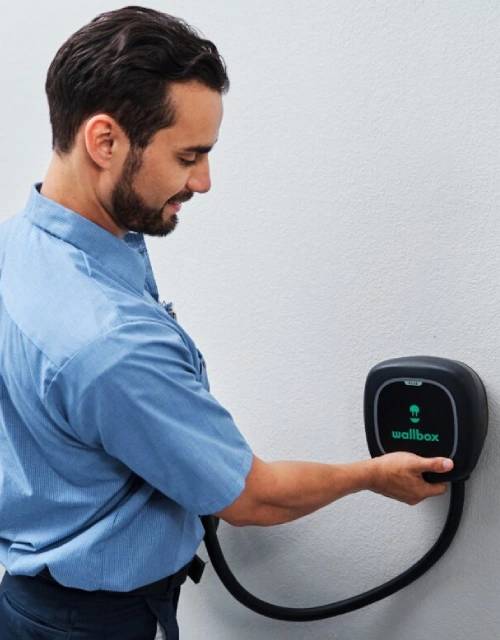
Electric vehicles are here and now, and they’re everywhere. Electric-powered sleek sedans and tough trucks are cruising neighborhoods across the country. It’s no surprise, either. They’re quiet, efficient, and easy on the environment.
There’s one big problem for EV adoption, though: Charging. Sure, public charging stations are becoming more common, but so are the lines. That’s why so many EV owners are choosing to install a private charging station at home… but is your home up for the challenge?
With an onsite electric vehicle charger installation, you can skip the trips and lines, charge while comfortably home, and even take advantage of lower off-peak electricity rates. But, you’ll need an electrical system that can safely and reliably support the charging station.
In this brief article brought to you by Mr. Electric, we’ll take a closer look at the signs that your home might need an electrical upgrade before plugging into the future of EV charging at home.
The electrical panel is the control center of the electrical system; the hub that sends power where it’s needed… and cuts power to circuits where there’s unusual or dangerous electrical. It can only handle so much electrical activity, however.
A Level 2 EV charger, for instance, requires a dedicated 240-volt circuit. That’s a big ask for an older panel already supporting modern appliances like air conditioners, ovens, and washers. If your panel is more than 20 or 30 years old, or if breakers trip frequently, then have an electrician investigate.
Without a properly-rated electrical panel, installing dedicated high-voltage circuits is dangerous and simply not possible.
Even modern electrical panels can be inadequate. After all, households today have countless electronics, equipment, and appliances drawing power. Even if your electrical panel is rated 200 amps, for instance, it’s no good if your home demands more.
A licensed electrician can run a load calculation to see how much power your home uses and whether there’s room for an EV charger. This step ensures you’re not overtaxing your system
Even if your panel can handle the load, your home’s wiring might not be ready. Many older homes were wired with materials that don’t meet today’s standards for heavy electrical demand.
If you notice warm outlets, a faint smell of burning plastic, and/or flickering lights when you plug in devices or run appliances, then your wiring is begging for attention.
A certified electrician will verify that your wiring is reliable before they install the EV charger in Murray, UT, but it’s worth having this confirmed before scheduling your EV charger installation to avoid delays.
Location matters as much as electrical capacity. Ideally, your charging station should be close to where you park your car – usually the garage or driveway, but you should have enough space between the car doors and charger to maneuver freely.
Moreover, if the garage is detached, or the panel is on the opposite side of the home, then you may need additional wiring, conduit, and/or trenching work.
If you’re thinking of installing an EV charging station, then make sure the technician is thoroughly qualified. The electricians at Mr. Electric, for instance, are certified, experienced, and regularly trained. As a licensed and insured company, Mr. Electric even backs workmanship with a 1-year guarantee.
Whether you need an emergency electrical repair service, want to schedule an appointment, or have some questions, the team at Mr. Electric is here to help.
Let's be honest: most electrical work doesn't exactly spark joy. You call an electrician because something's broken, money leaves your wallet, and you hope it doesn't happen again. That's just…
Read More +
Electricity powers our modern lives, but it's also incredibly powerful and unpredictable. Lightning strikes and utility company maintenance can send millions of volts surging through electrical wiring, destroying everything connected…
Read More +
Power outages are frustrating: One minute everything is working normally, and the next minute the lights are out, the refrigerator is warming up, and your home or business is at…
Read More +
For many Salt Lake City property owners and managers, the electrical panel sits out of sight and out of mind – typically in a closet, basement, or back room. As…
Read More +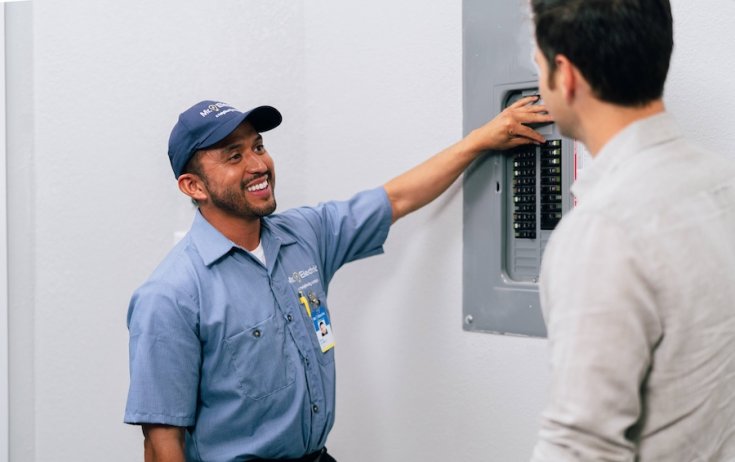
Old is not necessarily gold, but it's not always mold, either. While outdated electrical panels can pose safety hazards along with lackluster performance, there are cases when you can make…
Read More +