Menu

Call Us Today!
385-355-3822We Are Family & Veteran Owned
Schedule Service NowHire Local Trusted Electricians Now
Call this Thursday to Get $35 OFF
Call this Thursday to Get $35 OFF
Call Us Today!
385-355-3822Hire Local Trusted Electricians Now
Call this Thursday to Get $35 OFF
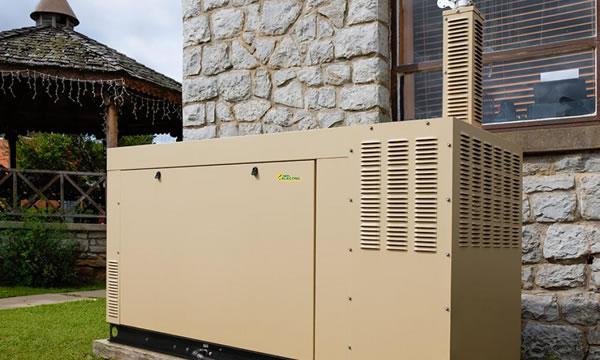
For many homeowners, that sinking feeling of being left in the dark after a power outage has them considering one of the smartest investments they can make: a standby generator. A generator installation doesn’t just keep the lights on; it keeps your home safe and running during unexpected (or expected) outages.
Before you pick up the phone and call Mr. Electric (or any electrician) to install a generator, there are few important things every homeowner should know about standby generators. In this brief article brought to you by Mr. Electric, we highlight several of those.
One of the biggest mistakes that homeowners make is underestimating the size of generator they need. A small unit might run a few lights and a microwave, but what about your HVAC system, refrigerator, or sump pump? On the flip side, an oversized unit may be more expensive than necessary and can waste energy.
The right generator size depends on your home’s unique needs. Think of it like buying shoes - you wouldn’t grab the first pair you see without knowing your size. The same applies here. A certified electrician will be able to calculate your home's electrical demand and recommend the appropriate size generator for your property.
You can't just drop a generator anywhere in your yard. For safety reasons, it must be placed at least a few feet from doors, windows, and vents to prevent dangerous fumes from entering your home. Local building codes and HOA rules may further dictate where it can be installed.
Choosing the right spot is about more than safety (though that's the most important). You want a location that’s compliant and accessible for routine maintenance, too. Professional guidance here is crucial. A licensed electrician will know where (and how) to place your generator so it works safely and effectively for years to come.
Not all generators run on the same fuel. With that said, most standby systems work with natural gas or propane. Each comes with its own pros and cons. Natural gas provides a steady supply as long as utility lines are active, for instance, while propane requires a tank but offers independence from the grid.
Recognizing which fuel source is available and practical for your home is a key step before moving forward with a generator installation in Farmington, UT. A professional can assess your property and help determine which option is right for you.
Think of the transfer switch as the brains behind the generator system. It automatically detects when power goes out and signals your generator to kick on. Without one, you’d be fumbling in the dark to connect things manually - and that can be both inconvenient and dangerous.
Transfer switches also prevent dangerous backfeeding. That's where electricity from your generator flows back into the grid. That can seriously endanger utility workers and is yet another reason why installation isn’t a DIY project; it requires the expertise of a certified electrician.
A standby generator isn’t a "set it and forget it" piece of equipment. Like your car or any appliance, it needs regular checkups to stay in good working condition. Oil changes, filter replacements, and test runs are all part of making sure your generator fires up when you need it most.
Homeowners who overlook this step should not be surprised when they're left disappointed during the next outage. If you're not sure what maintenance involves, then consider hiring a professional from Mr. Electric.
A standby generator is a serious investment, and getting it right demands more than a trip to the hardware store. Whether you’re exploring options or ready to move forward, the team at Mr. Electric is ready, willing, and able to help.
We're an established, licensed, and insured business with decades of industry experience, and we have you covered with everything from the initial installation and routine maintenance to urgent electrical repair service and the inevitable replacement. Call or message Mr. Electric to get in touch today.
A ceiling fan is surely going to make some noise, but it should not sound like a small construction project. It’s natural to hear a gentle hum from…
Read More +
Air fryers have quickly become a kitchen favorite. They cook food fast, use less oil than traditional frying, and make menus easy to prepare. For many modern families,…
Read More +
Like any piece of electrical equipment, surge protectors do not last forever. Years of power surges, lightning activity, and normal wear can reduce their ability to protect your…
Read More +
A standby generator brings priceless peace of mind during a power outage. Within seconds of your property losing utility power, the generator starts automatically and restores electricity to…
Read More +
The electrical panel controls how power moves through the building, and replacing it is a major project that affects safety, convenience, and the future capacity of your electrical…
Read More +