Menu

Call Us Today!
385-355-3822We Are Family & Veteran Owned
Schedule Service NowHire Local Trusted Electricians Now
Call this Thursday to Get $35 OFF
Call this Thursday to Get $35 OFF
Call Us Today!
385-355-3822Hire Local Trusted Electricians Now
Call this Thursday to Get $35 OFF
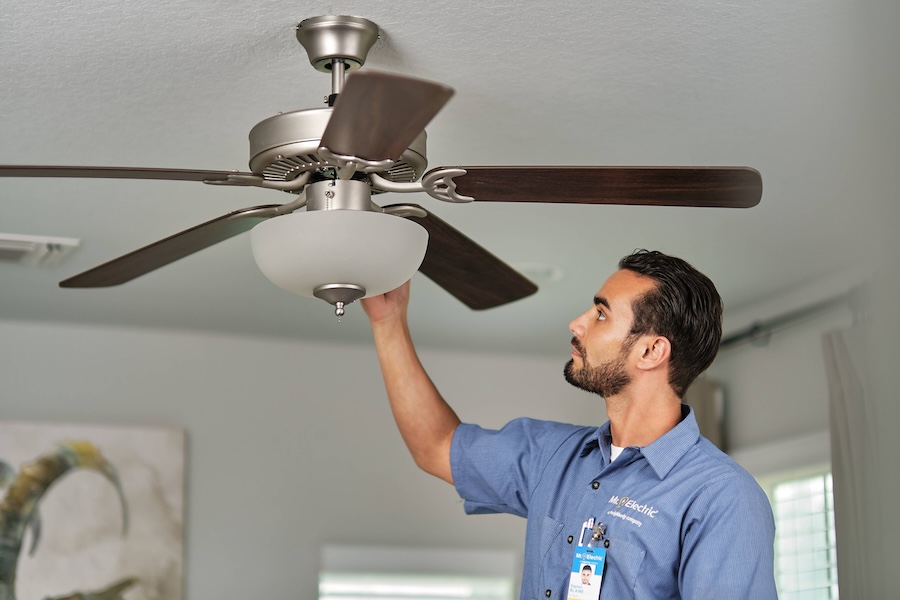
Installing a ceiling fan can seem like a simple weekend project. With the right tools and a little bit of confidence, many homeowners believe it’s something they can do on their own. However, a ceiling fan installation involves more than just screwing in a few parts. You'll be handling electrical wiring, working on ladders, and navigating local building codes. If you’re not careful, a small mistake can lead to injury, fire hazards, or even electrical shock.
Whether you’re replacing an old fan or adding a new one, it’s important to understand the electrical risks involved. In this brief article brought to you by Mr. Electric, we shed light on some of those hidden threats and share our two cents on how to reduce the risk. If you'd rather hire a certified electrician for the job, then call the local professionals at Mr. Electric.
Electricity is powerful - and dangerous when mishandled. During a ceiling fan installation, you’ll be connecting wires inside your home’s electrical system. If you connect the wrong wires, skip grounding, or overlook a faulty circuit, for instance, the result could be anything from a blown fuse to a building fire.
Even if the fan works fine after you install it, hidden problems might not show up until weeks or months later. Improper mounting, for example, can cause the fan to wobble, make noise, or even fall. Worse, incorrect wiring could heat up and cause a short circuit behind your ceiling. This is a risk that’s hard to detect until it becomes a bigger issue.
It's just another day for a certified electrician. They know how to work safely, follow code, and make sure the job is done right the first time. Plus, Mr. Electric's services come with a 1-year workmanship guarantee so you can truly rest assured.
If you still choose to install a ceiling fan yourself, then turning off the power is the absolute first step you can’t skip. But flipping OFF the light switch to isn’t enough. You must cut power at the circuit breaker. Here's how to do it safely:
Remember, some homes have multiple circuits in a single room. Always test all wires before you start working.
Although it’s legal in many places for homeowners to do some of their own electrical work, that doesn’t make it a good idea. Hiring a certified electrician has several key advantages:
Whether you need a professional installation or an emergency electrical repair service in Utah, the certified electricians at Mr. Electric have the expertise, experience, and equipment to get the job done right. Call or message us today to get in touch with a live representative.
A ceiling fan is surely going to make some noise, but it should not sound like a small construction project. It’s natural to hear a gentle hum from…
Read More +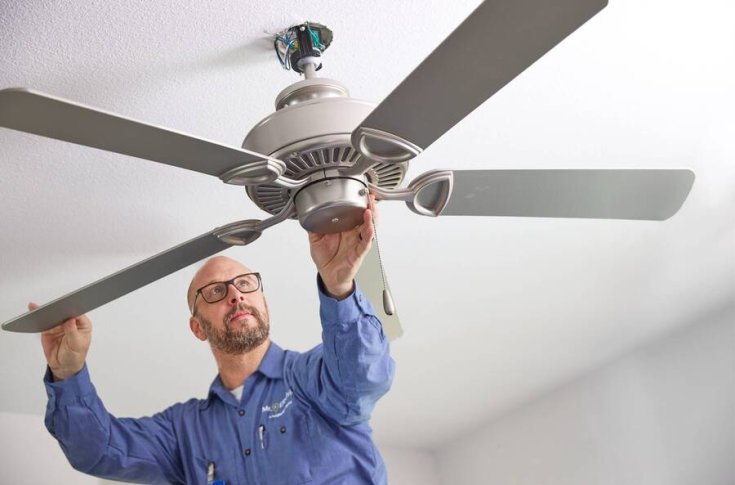
Air fryers have quickly become a kitchen favorite. They cook food fast, use less oil than traditional frying, and make menus easy to prepare. For many modern families,…
Read More +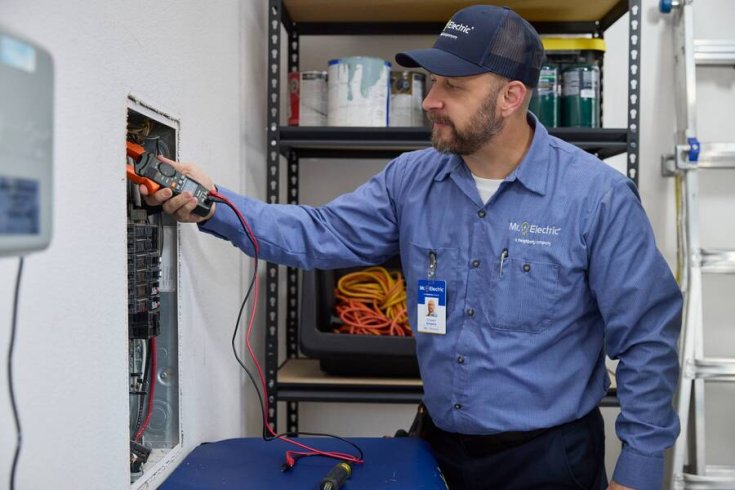
Like any piece of electrical equipment, surge protectors do not last forever. Years of power surges, lightning activity, and normal wear can reduce their ability to protect your…
Read More +
A standby generator brings priceless peace of mind during a power outage. Within seconds of your property losing utility power, the generator starts automatically and restores electricity to…
Read More +
The electrical panel controls how power moves through the building, and replacing it is a major project that affects safety, convenience, and the future capacity of your electrical…
Read More +