Menu

Call Us Today!
385-355-3822We Are Family & Veteran Owned
Schedule Service NowHire Local Trusted Electricians Now
Call this Friday to Get $35 OFF
Call this Friday to Get $35 OFF
Call Us Today!
385-355-3822Hire Local Trusted Electricians Now
Call this Friday to Get $35 OFF
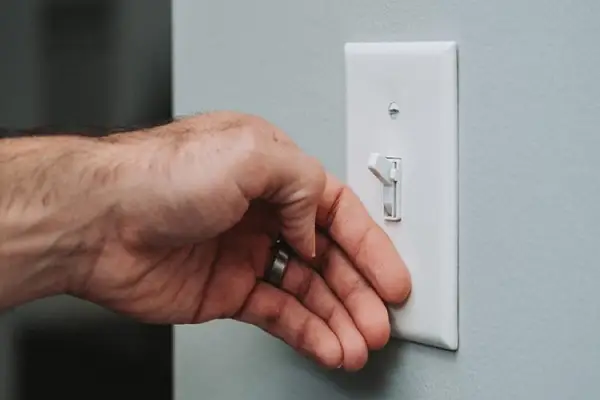
Dimmer switches provide enhanced convenience by allowing you to control the lighting ambiance in your home. This means you can set the perfect mood with just a twist or slide of a switch. However, you might notice that your dimmer switch feels warm to the touch after some time. If so, reach out to a reputable electrician for maintenance. While it might be concerning, Mr. Electric can inspect, diagnose, and address the problem before things get out of hand. Let's explore why your dimmer switch might be warm to ensure you maintain a safe home.
It's essential to understand that some warmth is average for dimmer switches. Unlike regular switches that turn the light on or off, dimmer switches reduce the flow of electricity to the light bulb, which decreases the light output. This reduction in electricity generates heat as a byproduct. If your dimmer switch is slightly warm to the touch, it's likely just a result of regular operation. However, knowing the difference between a warm switch and one that's too hot is crucial, hence the need to schedule routine inspections with an electrician in Park City, UT.
Another factor that can cause a warm dimmer switch is the type of light bulbs you're using. Traditional incandescent and halogen bulbs produce more heat than modern LED bulbs. If you're using older bulbs, they draw more power, causing the dimmer switch to work harder and generate more heat. On the other hand, LED bulbs are much more energy-efficient, and when paired with a compatible dimmer switch, they produce less heat. Switching to LEDs might reduce the warmth of your dimmer switch and the risk of a costly electrical outlet repair.
Dimmer switches handle a certain wattage load, which includes the combined wattage of all the bulbs they control. If the total wattage exceeds the dimmer's capacity, it can cause the switch to overheat. Overloading a dimmer switch is a potential fire hazard, including fires and electrocution, and it reduces the switch's lifespan. Once you suspect an overloaded dimming switch, consult a professional electrical repair service to address the problem and restore safety to your home.
Sometimes, the warmth of your dimmer switch could indicate underlying electrical problems. Loose wiring can create resistance that generates excess heat. Also, if the switch is not grounded correctly, it could cause overheating. Electrical issues require immediate attention, posing significant safety risks, including fires. If you suspect that electrical issues might be the cause of your warm dimmer switch, it's advisable to consult a licensed electrical repair service provider to rectify the problem.
A warm dimmer switch is often just a byproduct of regular operation, especially if it's only slightly warm. However, it's crucial to know the factors that could cause it to boil, such as using high-wattage bulbs, overloading the switch, or dealing with electrical issues. Contact us at Mr. Electric and schedule a consultation with our experts. We provide exceptional electrical outlet repair services to ensure your dimmer switch is compatible with your lighting system for efficiency and longevity.
A ceiling fan is surely going to make some noise, but it should not sound like a small construction project. It’s natural to hear a gentle hum from…
Read More +
Air fryers have quickly become a kitchen favorite. They cook food fast, use less oil than traditional frying, and make menus easy to prepare. For many modern families,…
Read More +
Like any piece of electrical equipment, surge protectors do not last forever. Years of power surges, lightning activity, and normal wear can reduce their ability to protect your…
Read More +
A standby generator brings priceless peace of mind during a power outage. Within seconds of your property losing utility power, the generator starts automatically and restores electricity to…
Read More +
The electrical panel controls how power moves through the building, and replacing it is a major project that affects safety, convenience, and the future capacity of your electrical…
Read More +